Caring for fish in aquaponics in 2026 comes down to four non-negotiable pillars: clean water, correct nutrition, adequate dissolved oxygen, and proactive disease prevention. Nail all four consistently and your fish thrive — converting waste into plant fertiliser while growing steadily toward harvest. Miss even one, and the whole system can unravel within 48 hours.
Executive Summary: Key Takeaways for Aquaponics Fish Care in 2026
- Dissolved oxygen below 5 mg/L triggers measurable stress in most aquaponics fish species, suppressing immunity and slowing growth within just 24 hours — making aeration your most time-critical system component.
- Ammonia above 0.5 ppm is acutely toxic; consistent daily water testing prevents the vast majority of avoidable fish deaths in both home and commercial aquaponics systems.
- Quarantining new fish for a minimum of 14 days eliminates the majority of preventable disease introductions, according to aquaculture extension research compiled through 2025–2026.
- Fish fed a varied, species-appropriate diet consistently show 20–30% better growth rates than those maintained on a single food source alone — a direct impact on both welfare and harvest yields.
Why Does Fish Health Drive the Entire Aquaponics System?
Aquaponics is a closed-loop system where fish and plants depend on each other completely. Fish waste becomes plant fertiliser; plants clean the water the fish live in. That elegant balance is also the system’s sharpest vulnerability. When fish get sick or stressed, they produce excess mucus, eat less, and — in the worst cases — die and begin decomposing in the water. A single undetected fish death can spike ammonia to lethal levels and cascade through an entire tank within 48 hours.
Data from commercial aquaponics operations consistently suggests that 70% or more of fish losses are entirely preventable with disciplined daily care routines. The investment in regular observation and testing repays many times over in reduced mortality and higher yields. Chronically stressed fish also consume significantly more feed relative to their actual growth — meaning neglected fish management directly inflates your operating costs alongside the obvious welfare concerns. Whether you are running a backyard setup or a small commercial operation, fish health is the engine the entire system runs on.
Healthy fish produce consistent, predictable ammonia loads. That predictability is what allows your biological filter to operate at peak efficiency. Disruptions to fish health ripple outward: ammonia spikes follow, then pH swings, then plant nutrient deficits. The good news is that once you understand the key levers, most of these risks are genuinely manageable with straightforward daily habits that take minutes, not hours, to maintain.
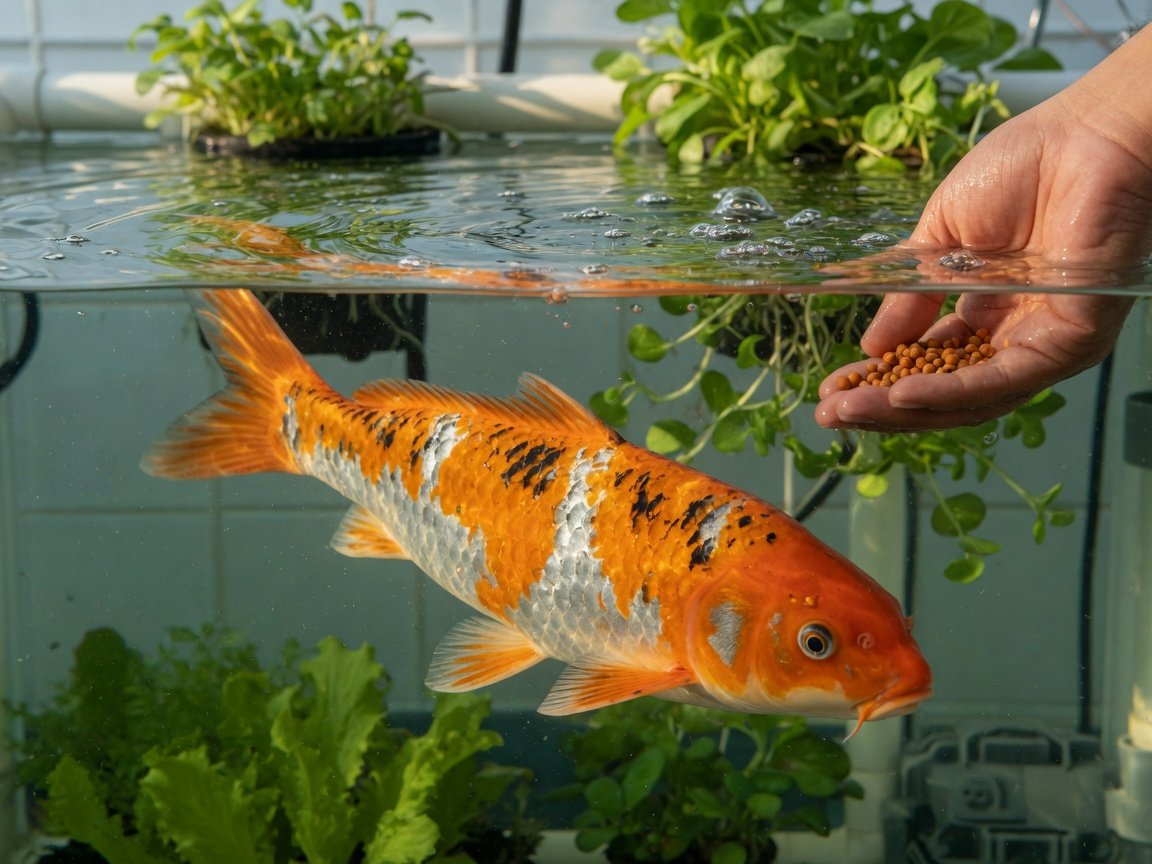
How Do You Prevent Fish Diseases in Aquaponics?
Prevention is far cheaper and easier than treatment — and in aquaponics, treatment is often severely constrained by the system itself. Most conventional fish medications destroy the beneficial bacteria that run your nitrogen cycle. That constraint makes disease prevention your primary strategy, not a backup plan. The five core preventive measures are: sourcing healthy stock, quarantining new fish, maintaining water quality, ensuring proper aeration, and feeding a balanced diet. All five must be consistent to be genuinely effective.
Start at the source. Purchase fish only from reputable, certified suppliers who can provide health documentation. Diseased or stressed fish from low-quality sources introduce pathogens that can persist in your biofilter for months — long after the original fish appear healthy. Once you have new fish, never skip the quarantine step, even if they look completely healthy on arrival. Aquaponics extension guidance consistently recommends a minimum 14-day quarantine in a separate tank before any new addition joins your main system. Aquaculture research confirms that 14–21 days of quarantine eliminates the vast majority of preventable disease introduction events.
Recognising early disease signs makes the difference between a manageable intervention and a system-wide crisis. Unusual swimming patterns, clamped fins, visible lesions, colour changes, and loss of appetite are all early red flags worth acting on immediately. For a thorough breakdown of what can go wrong and how to respond, the complete guide to common fish diseases in aquaponics covers diagnosis and treatment protocols for the most frequent issues encountered across both home and commercial setups.
Source from certified suppliers → quarantine all new fish for 14+ days → maintain pH between 6.5–7.5 → keep dissolved oxygen above 5 mg/L → feed a species-appropriate, varied diet → observe fish behaviour at every single feeding.
What Water Quality Parameters Matter Most for Healthy Fish?
Water is everything in aquaponics. It is the medium for nutrients, the habitat for your fish, and the home of the bacteria running your nitrogen cycle. The four parameters you absolutely must monitor are pH, ammonia, nitrite, and dissolved oxygen. Temperature and nitrate round out the picture for a complete water quality profile. Getting the chemistry right is not optional — it is the job.
pH is the master variable. Most aquaponics fish species do best between 6.5 and 7.5, and the bacteria converting ammonia to nitrates operate optimally in that same range. Fluctuations of more than 0.5 pH units in a single day cause measurable stress in fish, suppressing immunity and leaving them vulnerable to opportunistic infections. Test pH daily in new or cycling systems and at minimum every other day once things have stabilised. For detailed guidance on what to test, how often, and what results mean in practice, the resource on maintaining water quality in aquaponics is the most comprehensive starting point available for practitioners at any level.
| Parameter | Target Range | Danger Zone | Immediate Action |
|---|---|---|---|
| pH | 6.5 – 7.5 | < 6.0 or > 8.0 | Buffer or dilute immediately |
| Ammonia (NH₃/NH₄⁺) | < 0.5 ppm | > 1.0 ppm | Stop feeding, partial water change |
| Nitrite (NO₂⁻) | < 0.5 ppm | > 1.0 ppm | Salt treatment, check biofilter |
| Dissolved Oxygen | ≥ 5 mg/L | < 3 mg/L | Increase aeration immediately |
| Temperature | Species-specific | ±4°C shift in 24 hours | Adjust heating/cooling gradually |
| Nitrate (NO₃⁻) | 5 – 150 ppm | > 250 ppm | Partial water change, add plants |
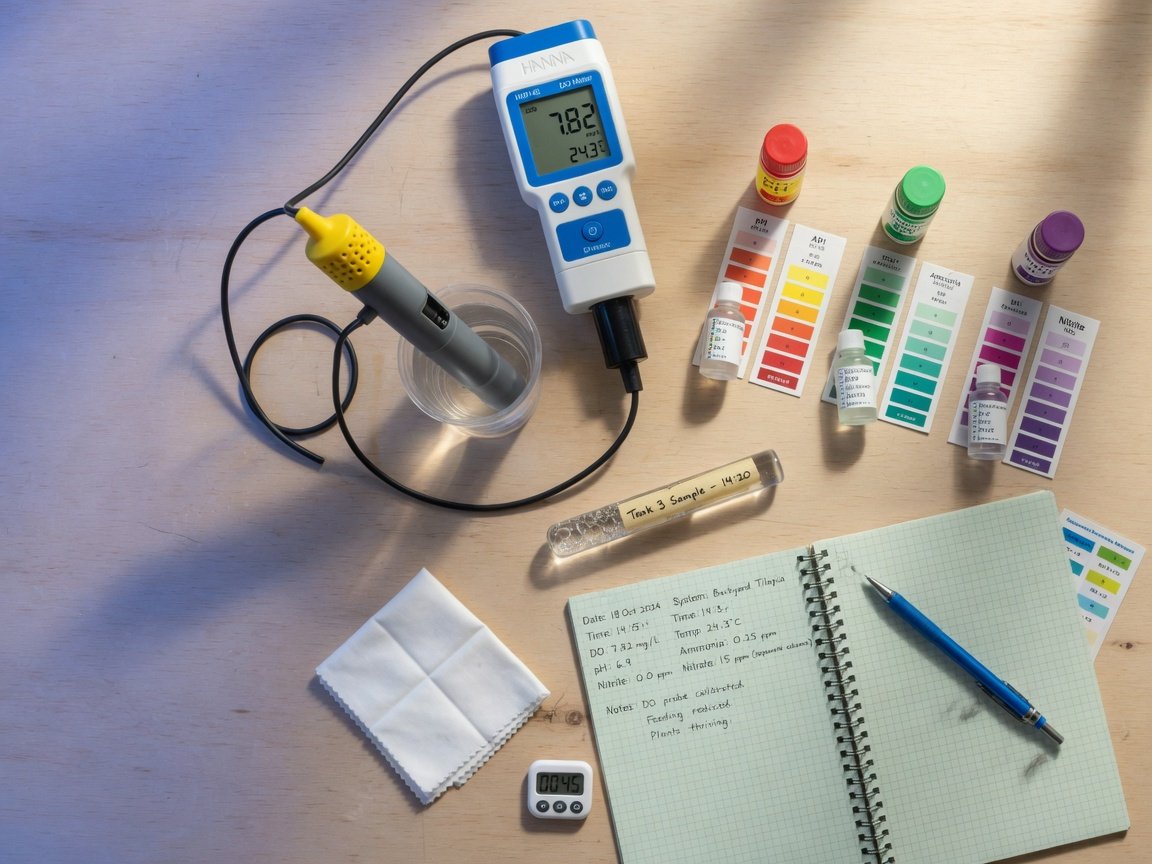
Ammonia testing deserves particular attention in any aquaponics setup. Ammonia accumulates when your biological filtration cannot keep pace with fish waste — usually from overfeeding, overstocking, or a biofilter that has not yet fully matured. At 0.5 ppm, most fish species show gill irritation. Above 1.0 ppm, you are looking at acute mortality risk within 24–48 hours. Understanding how aquaponics cycling works and giving your biofilter sufficient time to establish fully is one of the most important investments you can make in long-term system stability and fish welfare.
Why Is Dissolved Oxygen So Critical — and How Do You Maintain It?
Fish breathe oxygen dissolved in water, and unlike air, water holds only a limited supply — one that shrinks as temperature rises. Warm summer water combined with a heavily stocked tank creates the perfect conditions for oxygen depletion. Fish gasping at the surface, clustering near water inflows, or showing sudden lethargy are all signs of critically low dissolved oxygen. In severe cases, the situation can turn fatal within just a few hours. This is one of the fastest-moving crises in aquaponics and the one most operators underestimate until it happens to them personally.
The target is a minimum of 5 mg/L of dissolved oxygen at all times — ideally higher. Aquaculture research programs consistently show that fish kept above 6 mg/L grow faster, eat more efficiently, and resist disease significantly better than those hovering near the 5 mg/L floor. Quality air stones, diffusers, or surface agitators distributed evenly through the tank are your primary tools. The water flow from your aquaponics circulation system helps, but rarely provides adequate oxygenation on its own in densely stocked systems.
Monitor dissolved oxygen with a quality DO meter — test strips are simply not reliable enough for this parameter. Measure at different depths and locations in the tank, as oxygen stratifies in warm, still water. Increase aeration proactively before hot weather, during power outages (a battery backup air pump is one of the best investments you can make in overall system resilience), and whenever fish begin clustering at the surface. Your beneficial bacteria are also constant oxygen consumers running 24 hours a day, seven days a week — adequate aeration supports both the fish and the biological filter simultaneously.
How Do You Feed Aquaponics Fish Correctly?
Feeding is where most beginners make their costliest mistakes — overfeeding in particular. Uneaten food breaks down rapidly in water, spiking ammonia and creating exactly the water quality crisis you are working to avoid. At the same time, underfeeding leads to malnutrition, slowed growth, and weakened immune function. The goal is feeding exactly what your fish will consume in 3–5 minutes, twice per day, with no food remaining on the water surface after that window closes.
Different species have fundamentally different nutritional requirements, and matching the feed to the fish is non-negotiable for good outcomes. Tilapia thrive on plant-based pellets supplemented with protein. Trout require 40%+ protein pellets as a standard, not an option. Goldfish and koi do well on a varied diet combining pellets, vegetables, and occasional treats. The in-depth resource on choosing the right fish food for healthy aquaponics breaks down nutritional requirements by species and system type, including guidance on reading feed labels and identifying quality protein sources.
Step-by-Step Feeding Guide for Aquaponics Fish
- Choose species-appropriate feed. Match protein percentage and pellet size to your fish species and life stage. Juvenile fish need smaller pellets and higher protein ratios than adults at the same system temperature.
- Establish a fixed feeding schedule. Feed twice daily at consistent times — morning and evening works well for most species. Consistency reduces stress and keeps daily intake predictable and trackable across weeks and months.
- Apply the 3–5 minute rule. Add food in small increments and observe closely. Stop when fish begin to slow down or food starts to sink uneaten. Remove any excess immediately with a fine net after every feeding session.
- Vary the diet strategically. Supplement pellets with live or frozen foods such as brine shrimp or bloodworms, and vegetable matter where species-appropriate. Dietary variety closes nutritional gaps and actively supports long-term immune health.
- Adjust for water temperature. Fish metabolism slows significantly in cooler water. Reduce feeding frequency and quantity when temperature drops below the optimal range for your species to prevent uneaten food buildup and ammonia spikes.
- Track feed conversion over time. Weigh feed amounts across a consistent period. A worsening feed conversion ratio — more feed required per unit of growth — is an early and reliable signal of a health issue or water quality problem that warrants prompt investigation.
What Does a Proper Tank Maintenance Routine Look Like?
Tank maintenance in aquaponics is not purely about cleanliness — it is about sustaining the biological and chemical conditions your fish and plants depend on. Unlike a conventional fish tank, you cannot perform large water changes in aquaponics without disrupting nutrient flows and stressing your biofilter. Instead, aquaponics maintenance focuses on removing solids, managing algae, and keeping filtration running efficiently without compromising the bacterial colonies doing the real work behind the scenes.
Remove uneaten food from the tank after every single feeding — this is the single highest-impact maintenance habit you can build. Dead or dying fish must be removed immediately to prevent rapid ammonia spikes that can devastate an entire tank population. Scrape tank walls and surfaces regularly to control algae, which competes for nutrients and can progressively clog filters over time. Check your grow bed media and sump every two to four weeks for solid waste accumulation, removing material your system has not fully processed. These are not occasional tasks — they are the daily and weekly rhythms that determine baseline system health.
Filtration maintenance requires a careful and deliberate approach. Mechanical filters — capturing solid waste before it breaks down into ammonia — need regular cleaning based on your system’s bioload and feeding schedule. Biological filter media should never be scrubbed under tap water; always rinse gently in system water to preserve the bacterial colonies that are the engine of your nitrogen cycle. Keeping your system’s flow rate consistent is equally important: uneven or restricted flow creates dead zones where waste concentrates and anaerobic conditions develop, steadily undermining the health of the entire system.
How Do You Quarantine New Fish Before Adding Them to Your System?
Quarantine is one of the most overlooked steps in aquaponics fish care — and one of the highest-value practices you can adopt. Even fish from reputable, certified suppliers can carry pathogens that show no visible symptoms during transit. Introducing them directly to your established system is a risk that experienced aquaponics practitioners simply do not take — not because they distrust their suppliers, but because they have seen what one undetected infection can do to a healthy, established system built over months.
Set up a dedicated quarantine tank before you acquire any new fish. A 40–60 litre container with its own sponge filter, air stone, and heater is sufficient for most home-scale needs. Maintain water parameters as close as possible to your main system to avoid compounding the stress of transport with the additional stress of unfamiliar water chemistry. Observe new fish closely for the first 14 days: watch for unusual behaviour, visible parasites, fin damage, abnormal colouration, or reduced appetite. Any fish showing symptoms should be treated in quarantine and given additional observation time before any transfer is considered.
After a clean two-week quarantine, a brief prophylactic salt bath for tolerant species adds an extra layer of protection before transfer to the main system. Aquaculture research programs consistently rate quarantine as the single most cost-effective disease-prevention intervention available to operators of any scale. The cost of maintaining a simple quarantine setup is trivial compared to the cost of treating — or losing — an entire established system to a preventable outbreak that a 14-day observation window would have caught before it spread.
What Are the Early Warning Signs of Sick Fish?
Daily observation is your early warning system — and it costs nothing but two minutes of focused attention at each feeding. Fish communicate stress and illness through behaviour well before visible physical symptoms appear on their bodies. Catching a problem at the behavioural stage gives you the best chance of intervention before it spreads to the rest of the tank. Make it a habit to spend a few minutes genuinely watching your fish at every feeding, not just dropping food and walking away.
Key warning signs to watch for include: fish gathering near the water surface, indicating low dissolved oxygen or gill disease; erratic, spiralling, or lopsided swimming, suggesting neurological issues, swim bladder problems, or parasite infestation; fins held clamped close to the body rather than extended, a sign of general stress or bacterial infection; visible white spots or cottony patches on skin or fins indicating ich or fungal infection; swollen abdomen or bulging eyes pointing to bacterial infection or internal parasites; and any individual fish isolating itself from the group. Loss of appetite lasting more than 24 hours in otherwise-healthy fish is always worth investigating promptly — it very rarely resolves itself without intervention.
✓ All fish accounted for — no floating or missing individuals
✓ Normal, coordinated swimming in all fish
✓ Fins extended naturally, not clamped
✓ Eyes clear and alert, not cloudy or bulging
✓ No visible spots, patches, or skin lesions on any fish
✓ All fish feeding actively at feeding time
✓ No fish gasping at or crowding the water surface
When you spot concerning signs, test your water quality first — most apparent disease symptoms in aquaponics are actually stress responses to deteriorating water conditions rather than true infections. Fix the water, and symptoms often resolve without any further intervention needed. If symptoms persist after water quality is confirmed within normal range, isolate affected fish to your quarantine tank immediately for closer observation and targeted treatment. Treating in the main system risks damaging your biofilter; quarantine treatment protects both the sick fish and your entire remaining stock.
How Do You Manage Fish Stocking Density Effectively?
Overstocking is one of the most common mistakes in aquaponics — and among the most damaging. Too many fish in too little water overwhelms your biofilter, drives ammonia and nitrite to toxic levels, depletes dissolved oxygen, and creates chronic stress that makes every fish in the system vulnerable to pathogens. The consequences compound quickly: one problem triggers another, and the cascade can easily outpace your ability to intervene before mortality begins. Starting conservatively and building up gradually is always the safer and more productive long-term strategy.
A general guideline for most aquaponics setups is approximately 0.5 kg of fish per 40 litres of tank volume — though this varies considerably by species, filtration capacity, aeration level, and overall system design. Tilapia and catfish tolerate higher stocking densities than trout or other sensitive cold-water species. The key principle: add fish in stages, observe system response over two to four weeks at each density level, and increase only when water parameters demonstrate the system can comfortably absorb the additional bioload. The fish-to-plant ratio calculator makes it straightforward to find the right balance for your specific setup, species, and production goals.
The ratio of fish to plant growing area matters as much as raw fish density alone. Your plants are the nitrate consumers — without adequate plant volume relative to your fish load, nitrates accumulate steadily even when ammonia and nitrite stay in check. If you are adding fish faster than your plant beds are expanding, nitrate toxicity becomes a matter of when, not if. Balance is the defining characteristic of every successful long-term aquaponics system.
Does Your Choice of Fish Species Affect How Much Care They Require?
Absolutely — and the difference between species is significant. Some fish tolerate wide fluctuations in water quality, temperature, and feeding schedules with minimal stress. Others are sensitive enough that modest deviations from optimal conditions produce measurable growth slowdowns and immune suppression within days. Choosing the right species for your skill level, climate, and system design is one of the highest-leverage decisions you will make as an aquaponics practitioner, and it sets the difficulty level for everything that follows.
Tilapia remain the gold standard for beginner and intermediate systems. They tolerate wide pH and temperature ranges of 18–30°C, grow quickly, and are relatively disease-resistant across a broad range of management approaches. Catfish are another robust choice for warmer climates, with additional tolerance for lower dissolved oxygen levels than most species can handle. Trout thrive in cooler water and command premium market prices, but their tighter parameter tolerances and higher protein requirements make them better suited to intermediate practitioners with solid water quality management skills already established. For a comprehensive breakdown including climate considerations, production goals, and system compatibility, the guide on choosing the perfect fish for your aquaponics system is essential reading before committing to any species for a new or expanding setup.
Ornamental fish open up compelling options for practitioners who want to combine food crop production with aesthetic or commercial ornamental value. Koi are surprisingly robust aquaponics candidates and can command significant prices as ornamental specimens. Data from aquaponics case studies through 2025–2026 shows growing interest in dual-purpose systems producing both food crops and marketable ornamental fish — a practical diversification strategy for small-scale and urban operators looking to broaden their income streams beyond a single harvest type.
Case Study: Turning Around a Failing Backyard Aquaponics System
A backyard aquaponics operator in Queensland, Australia, documented a full system recovery in 2025 after months of persistent and expensive fish losses. Their 2,000-litre system was losing 15–20% of tilapia stock every single month — a rate of attrition that made the system economically unviable and deeply frustrating to manage. A methodical audit of the system revealed three compounding problems driving the losses: chronic low dissolved oxygen averaging just 3.8 mg/L overnight, an irregular feeding schedule creating recurring ammonia spikes, and a practice of adding all new fish directly to the main system without any quarantine period whatsoever.
The operator implemented three targeted interventions over a six-week period: adding two additional air stones and an upgraded air pump, which raised dissolved oxygen to a consistent 6.2 mg/L within 48 hours of installation; introducing a fixed twice-daily feeding schedule strictly following the 3–5 minute rule; and establishing a simple 40-litre quarantine setup using a spare container, a sponge filter, and a small air stone. The total cost of all three interventions combined was under AU$200.
The operator specifically noted that the quarantine step had been the single most impactful change — three separate batches of incoming fish showed disease symptoms during their 14-day quarantine period that would previously have entered the main system completely undetected. Each of those batches, had they been introduced directly, would have introduced active pathogens into an established system with no isolation option available for treatment.
What Does the Future of Aquaponics Fish Care Look Like in 2026–2027?
Aquaponics is evolving rapidly, and the biggest shift shaping fish care practices in 2026 is the democratisation of smart monitoring technology. Sensors that once cost thousands of dollars are now accessible to home practitioners for a few hundred. Automated water testing, AI-assisted anomaly detection, and real-time smartphone alerts are moving from commercial-scale operations into backyard and urban systems — making consistent, proactive fish care achievable for a broader audience than was possible even two years ago.
Sustainability is an equally powerful driver reshaping everyday fish care decisions. Research into alternative and locally sourced fish feeds is accelerating significantly through 2025–2026, driven by rising costs and growing environmental concerns around conventional fishmeal-dependent aquaculture feeds. Insect-based proteins — black soldier fly larvae in particular — duckweed, and fermented plant proteins are all showing strong results in controlled aquaponics trials. These alternatives reduce dependence on wild-caught fishmeal, can lower operating costs substantially, and in some cases can be produced on-site within integrated systems. What was experimental three years ago is fast becoming a practical operational consideration for serious practitioners worldwide.
Looking ahead to 2027, the convergence of renewable energy integration, automated biological monitoring, and AI-assisted fish health assessment is likely to define the next generation of aquaponics management. Systems that detect early disease signals, adjust feeding rates automatically based on real-time parameter data, and alert operators to developing problems before mortality begins will shift aquaponics from reactive problem-solving toward genuinely predictive farm management. The practitioners building these habits and investing in these tool sets in 2026 will be well positioned ahead of that curve.
Frequently Asked Questions About Caring for Fish in Aquaponics
Can I use tap water in my aquaponics system?
Yes, but it must be treated before use. Tap water contains chlorine and often chloramine — both of which are directly harmful to fish and will kill the beneficial bacteria your biofilter depends on. Use a sodium thiosulfate dechlorinator, or let tap water sit uncovered in an open container for at least 24 hours before adding it to the system. Always test the pH of your tap water first, as municipal water pH varies considerably by region and season.
How often should I test water quality in my aquaponics system?
Test pH, ammonia, and nitrite daily during the first weeks of a new or cycling system. Once parameters have been stable for several weeks, you can safely reduce to testing every two to three days for those values. Dissolved oxygen should be tested daily regardless of system age, as it fluctuates with temperature and stocking conditions throughout the day and night. Always log your results — patterns across time are far more valuable than any single reading in isolation.
How often should I clean my aquaponics fish tank?
Remove uneaten food and any dead fish immediately after every feeding — this is a daily non-negotiable with no exceptions. Algae scraping on tank walls is typically needed every one to two weeks depending on light exposure. Mechanical filter media usually needs cleaning every two to four weeks based on your stocking density and feeding rate. Biological filter media should only be gently rinsed in system water — never tap water — and only when flow becomes noticeably restricted. Avoid doing all maintenance tasks simultaneously; spread them across the week to minimise disruption to the biological balance of the system.
What is the fastest way to bring down dangerously high ammonia levels?
Stop all feeding immediately — this is your first response, every single time. Then perform a 20–25% partial water change using dechlorinated, pH-matched water. Add a bottled nitrifying bacteria concentrate to reinforce your biofilter’s processing capacity. Identify and remove the ammonia source: look for dead fish, decomposing uneaten food, or other organic matter in the system. Do not resume normal feeding until ammonia has returned to below 0.5 ppm and has been stable for at least 24 hours. Never use ammonia-locking chemicals in aquaponics — they disrupt the nitrogen cycle and can starve your plants of accessible nutrients.
How do I know if my fish are getting enough oxygen?
Use a dissolved oxygen meter — there is no reliable visual substitute for accurate measurement at safe intervention thresholds. Behavioural indicators like surface gasping and reduced activity only appear when oxygen is already at critically low levels. Test at different times of day, since DO dips overnight when plant photosynthesis stops but bacterial and fish respiration continues. If your meter reads below 5 mg/L at any point in the daily cycle, add aeration immediately and investigate the underlying cause. Target 6 mg/L or above for optimal fish health and feed conversion efficiency.
What fish are the easiest to care for in a beginner aquaponics system?
Tilapia are consistently the top recommendation for warm-climate beginners. They are hardy, grow quickly, tolerate a wide range of water conditions, and are forgiving of the minor fluctuations that naturally occur in newer systems still finding their equilibrium. Goldfish and koi are excellent choices for cooler climates or ornamental-focused systems, with strong tolerance for lower temperatures and variable water quality. Catfish are another solid beginner option in warm climates. Avoid trout, salmon, and other cold-water-sensitive species until your water quality management skills and daily monitoring routines are well established and proven stable.
Can I use homemade fish food in my aquaponics system?
Yes, with important caveats. Homemade fish food can be a genuinely valuable supplement to commercial pellets, reducing costs and allowing dietary customisation for your specific species and growth stage. The critical requirement is nutritional completeness — fish need specific amino acid profiles, fatty acids, and micronutrients that are difficult to balance precisely without careful formulation. Use homemade food as a supplement covering 30–40% of the diet rather than as a complete replacement, unless the formula has been reviewed for nutritional adequacy against your target species’ verified requirements.
Your 2026 Action Plan for Healthier Aquaponics Fish
Healthy fish in an aquaponics system are not the result of luck. They are the result of consistent, informed care applied day after day — clean water, correct feeding, adequate oxygen, and early eyes on any developing problem. The fundamentals have not changed, but 2026 brings better monitoring tools, better feed options, and a stronger knowledge base to support those fundamentals than at any previous point in the hobby and industry’s history.
Here is your implementation sequence, week by week:
- Week 1 — Baseline your water testing. Audit your current testing routine honestly. Acquire a dissolved oxygen meter if you do not already have one. Start a daily testing log with date, time, and all parameter readings noted consistently.
- Week 2 — Establish or refresh your quarantine setup. Even a basic 40-litre container with a sponge filter and air stone is sufficient for home scale. Commit to a minimum 14-day quarantine for every single future fish introduction, no exceptions.
- Week 3 — Tighten your feeding routine. Apply the 3–5 minute rule at every feeding from this point forward. Honestly evaluate whether your current feed matches your species’ actual nutritional requirements at this life stage.
- Week 4 — Audit your stocking density. Check your current fish load against your system’s demonstrated biofilter capacity. Verify your fish-to-plant balance and adjust plant density if nitrates are drifting upward.
- Month 2 — Invest in system resilience. Add a battery backup air pump as your first priority. Consider a smart pH or DO sensor with real-time alerts if your system size and stock value justifies the investment.
- Ongoing — Daily observation, monthly review. Two focused minutes of observation at every feeding. A monthly review of your testing log to identify trends and flag any parameter drifting before it becomes a genuine crisis.
The investment in consistent fish care pays back in every harvest. Healthy fish grow faster, convert feed more efficiently, and produce the steady ammonia load that keeps your plants thriving season after season. Build these habits now, and your aquaponics system will reward you with years of productive, resilient, and genuinely satisfying results.
One Reply to “How to Care for Fish in Aquaponics: Essential Tips for Healthy, Thriving Fish in 2026”